
Mosque Foundation | Bridgeview, Illinois Logo
Mosque Foundation | Bridgeview, Illinois

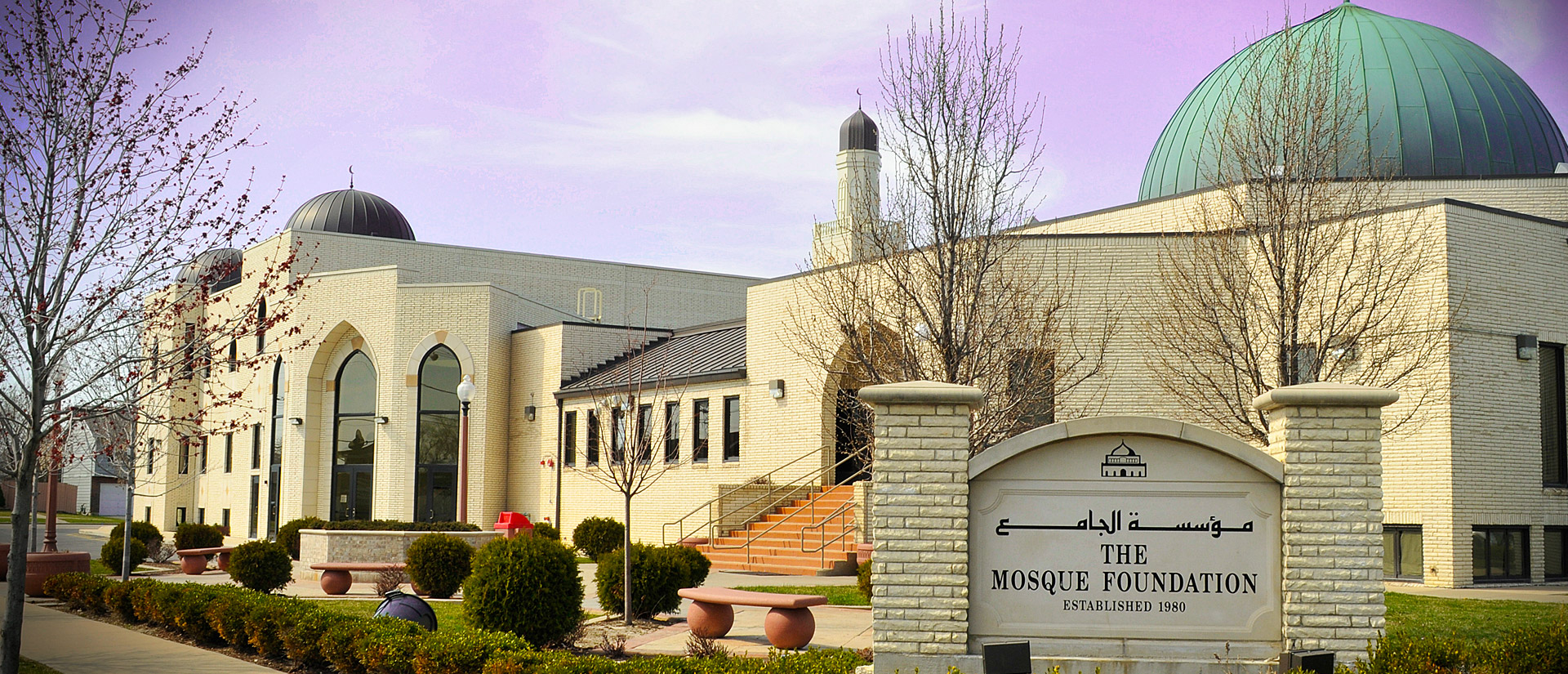
Mosque Foundation

Mental Preparation for Prayer

First Friday Prayer is at 12:30pm. Second Friday Prayer is at 2:00pm.

Mental Preparation for Prayer

Mental Preparation for Prayer

Ahmed Posing in Front of a Bookcase One

Remember the last important interview you had? You must have prepared well by conducting interview research, reviewing the dress code, planning the directions to the office, researching the institution online…etc. Your meeting with Allah is beyond all comparison. So, if you consider prayer a great blessing to communicate with Allah, you should be gratefully prepared. 

           In his al-Fawaid, Imam Ibn al-Qayyim observes: “There are two times when a servant stands before Allah: in prayer and on the Day of Judgment. Whoever takes care of the first, the second will be easy for them; whoever neglects the first standing, the second will be hard for them.” 

Here are quick tips to help improve our mental preparation for prayer: 

Start with a Focused Mind

           After preparing some food for family members, one of my relatives said, “Let us pray first and then eat without any interruptions!” She wanted her guests to enjoy eating with a clear mind. I responded, “Let us eat first and then pray without interruptions!” To be less distracted during prayer and to strengthen our focus on prayer, the Prophet ﷺ taught us to start our prayer with an undivided mind. 

           Ibn Umar narrated that the Prophet ﷺ said: “When dinner is being served, and the time for a prayer becomes due, start with the dinner and do not be hasty” (Bukhari & Muslim). That is why whenever he felt hungry and the meal was ready, Ibn Umar started eating even if he could hear the Imam’s recitation. We should also note that if a person is a little hungry and knows that hunger will not be a distraction, they should start praying. ‘Amr ibn Umayyah narrated that he saw the Prophet ﷺ using a knife to cut a piece of meat from a cooked sheep shoulder. As the prayer was called, the Prophet ﷺ put down the meat and the knife and offered the prayer” (Bukhari & Muslim).

           Similarly, the Prophet ﷺ taught us not to start praying when we feel that we need to use the bathroom. Instead of praying while you resist the urge to urinate or defecate, you should relieve yourself first. ‘Aiesha said that she heard the Prophet ﷺ saying: “No ritual prayer is to be offered when the food is being served or when a person resists “al-akhbathayn [the urge to urinate or defecate].” 

Dress Well

Wearing clean and neat clothes indicates that prayer is a special meeting and that you take it seriously. Dressing well is not a prerequisite for prayer; however, it is an excellent mental preparation for prayer. The Quran commands: “O children of Adam, wear your beautiful apparel at every time and place of prayer: eat and drink: but waste not by excess, for Allah loves not the wasters” (Quran 7:31). In accordance with this verse, Tamim al-Dari bought an expensive garment for prayer. 

Smell Nice 

           Smelling well could influence your brain’s activity. Many scents refresh the mind, create a sense of alertness, boost attentiveness, produce a sense of optimism, fight mental fatigue, improve focus, and stimulate clear thinking. It is interesting to note that smelling nice was part of the traits of the Prophet’s ﷺ personality. Anas ibn Malik narrated: “I have never smelt any musk or amber better than the fragrance of the Prophet (Reported by Muslim). Umm Salamah also narrated that the Prophet ﷺ used to wear musk and apply it to his face and hands whenever he performed wudu. The Companions followed this Sunnah very closely. Ibn Mas’ud was known for his pleasant smell, and before his prayers, he liked pleasing fragrances and neat clothes. Similarly, people knew if Ibn Abbas walked through a street because of his wonderful smell! 

It is equally important to avoid wearing anything with an overpowering smell since that could distract from prayer. Obviously, one must stay away from anything that produces a bad smell. In a clear-cut direction, the Prophet ﷺ instructed us: “Let those who ate onions or garlic keep away from our mosque since the angels are harmed by whatever harms humans” (Bukhari & Muslim).

Avoid Hardness of the Heart

Imam Ibn al-Qayyim observed: “Four things, when excessively done, will lead to the hardness of the heart: eating, sleeping, talking, and mingling with others.” Have you ever prayed after you overate or overslept? Have you ever prayed after having a long “unnecessary” conversation with somebody? No doubt, it was not the best prayer. Let us discuss the harmful effects of overeating, oversleeping, and excessive conversations before Salah. 

  • Do not eat until you are full. The Prophet ﷺ suggested eating until about 66% capacity! Al-Miqdad ibn Ma’d Yakrib said: I heard the Prophet saying: There is no vessel which the son of Adam can fill that is more evil than his stomach, for it is enough for him to take a few bites to straighten his back. Yet if he is overcome by appetite, then he may fill it with a third of food, a third of drink, and a third of breath.”
  • Besides the medical problems of oversleeping, those who oversleep may feel more tired. This feeling is not a proper preparation for prayer. 
  • Avoid lengthy conversations before Salah as much as you can. If necessary before prayer, limit your discussions to good causes or important matters. The Quran reads: “In most of their secret talks, there is no good except for one who exhorts [others] to a deed of charity or justice or conciliation between people. Whoever does this, seeking the good pleasure of Allah, We shall soon give a reward of the highest (value)” (Quran 4:114). Generally speaking, the Prophet ﷺ taught us: “Whoever believes in Allah and the Last Day, let him or her say good or be silent.”

Take a Few Moments of Contemplation Before the First Takbirah

Some people may start their prayer after a long conversation with others or even after laughing or shouting, and suddenly they find themselves praying! Always take a few moments of silence to prepare your heart and mind. To bring in Khushu’ before you start your prayer, think of one of the following:

  • To generate a sense of humility that makes you look down humbly, remember a sin you committed and a blessing Allah bestowed on you. 
  • Imagine that this prayer might be your last. In this way, you will try your best to perfect it.
  • Visualize the glory and greatness of Allah’s creation (e.g., we have more than 150 billion galaxies!) and how small you are. Despite how small we look, Allah honored us; therefore, feel proud that you are one of His servants.
  • Think about how short this life is and how eternal the afterlife is. In 100 years, no one who is alive now will be here. 

Do Not Start Your Prayer With a Lie! 

One of the most effective ways to maintain your focus in prayer is to recognize the meaning of ‘Allahu Akbar’ through which we start our prayer. Allahu Akbar means “God is greater.” Greater than what? Greater than anything you can imagine. Therefore, when you begin praying with Allahu Akbar, you basically say Allah is greater than my money, school, work …etc. That is why Imam al-Ghazali warned: “Make sure that you do not start your prayer with a lie!” It is also interesting to notice that the phrase ‘Allahu Akbar’ signals most of the movements during prayer. In other words, ‘Allah is Greater’ is a constant reminder that thinking of anything other than Allah while you are in His presence is shameful. In this way, the frequently repeated Allahu Akbar can help us regain our focus.

Prepare Your Quranic Recitations

Instead of reciting the same short verses in every prayer, try to memorize various verses or passages or even single verses. If you can only learn one verse, here are some suggestions for inspirational verses: (2:186), (2:281), (3:8), (4:135), (16:277), (16:281), (17:23), (24:30), (29:69), (39:53), (41:30), (41:34), (49:10), (49:12), (49:13), and (50:16).  

Prepare Personal Duas

When you include personal prayers in your Salah for yourself, your family, and your Ummah, your Salah will be transformed from being a dead format into a real personal relation. The best part of Salah for personal prayers is during Sujud (prostration). The Prophet ﷺ taught us: “Nothing brings the servant closer to Allah more than Sujud; so, offer frequent prayers or supplications” (Reported by Muslim). Practically speaking, prepare your Duas and pray earnestly and sincerely. 

Allow Enough Time

When you pray on time, you have a better chance of concentration. Think of the last time you offered a prayer a few minutes before the following prayer was due. Think of the last time you had to combine two prayers without a valid excuse. So, for better focus during prayer, allow enough time. Of course, the best option, in this regard, is to join the congregation in prayer in the Masjid.

Observe the Sunnah Dhikr Daily

The more you focus on Allah outside of prayer, the easier you can focus on Him during prayer. Observing the many Dhikr the Prophet ﷺ taught us throughout the day will help a Muslim develop an undivided heart set on Allah and be willing to surrender to Him completely. 


By Sh. Ahmed Arafat

 

The Seeds of Ramadan


Allah, the Most High, mentions in the verses regarding fasting that which translate to:
“O you who have believed, fasting has been prescribed upon you all as it has upon those who have proceeded you for you to attain “Taqwa” [reverence and true fear and dutifulness to Allah and protection from the punishment of the hereafter]” (Quran 2: 183). We see in this verse that Allah has essentially guaranteed and promised, yes promised that if we fast the month of Ramadan, we will attain a true sense of dutifulness and obedience to Allah in the life of this world and protection from the fire of hell in the next. Hence, the Prophet ﷺ says that which means: “Whoever fasts Ramadan out of faithfulness and expecting and hoping for its reward with Allah will have their past sins forgiven” (Bukhari & Muslim). 

These are some potent effects of fasting during Ramadan, and yet, after Ramadan has passed, the work is not over. In a broader sense, the work is never over as long as there is breath in our lungs. Abdullah, one of the sons of Imam Ahmad Bin Hanbal, once asked his father: “When will we ever be able to rest?” To which Imam Ahmad replied: “When we place our first foot in paradise.” Yet, in a minor sense concerning Ramadan, our duties do not end with the appearance of Shawwal’s crescent. We must protect and nurture our gains throughout the coming year.  

Allah has Promised in the verse mentioned above, and subsequently, Prophet Muhammad ﷺ, that if we fast the month of Ramadan as commanded, even one day properly as intended by Allah, He promises to plant a seed in our hearts. Some will have more powerful seeds than others, all based on the quality of their fast, yet seeds, nonetheless. And like all seeds, we must take care of them. They must be watered, cultivated, watered, weeded, etc. If left unattended, and if we allow our hearts and minds to slip back out into old habits and let the good habits we picked up during Ramadan be choked out, these precious seeds and gifts from Allah will die. We have to maintain our gardens, the proverbial garden of our “Ramadan hearts,” water it, weed it, and most importantly, only allow the best alongside it. This is all part of fasting and observing the month of Ramadan. It’s mentioned that the Prophet’s companions would spend six months before Ramadan preparing for it and the following six months protecting their gains from it. In other words, take care of your Ramadan garden!

By Sh. Ali Mashhour

Ramadan – the Fasting Month

Blessed Ramadan – the Fasting Month

by Sh. Kifah Mustapha

Introduction:

Ramadan is the ninth month in our lunar calendar. The origin of this word is (Ra-ma-doo رَمَضُ) which means in the Arabic language: “intense or extreme heat.”[1] “When the names of months were copied from the old language, it coincided that Ramadan was in times of extreme heat, and that is why it was named (the month) Ramadan.”[2] It is also related that: (the term “Ramadan” is because the month of fasting burns the sins away with good deeds.)[3]

Fasting in Arabic means: “to abstain.” Allah used this term in the Quran: {and if you should see any human being, then say [only]: Indeed, I have vowed a fast to the All-Merciful. Thus, I shall not speak today to any human being} 19:26.  The term “fasting” in the Islamic meaning is: “the intention to fast and to abstain from everything that will void fasting, from dawn till sunset.”[4]

Fasting during Ramadan was ordained on Muslims during the month of Shaaban in the second year after the prophet’s migration (PBUH) from Makkah to Madinah.


Importance of Fasting

Fasting is a Pillar of Islam:

As we all know, Islam stands on five pillars that summarize what Islam is all about. These pillars represent the core basics, from theology to rituals to social responsibility. Fasting is the fourth pillar which promotes a great aspect of spiritual uplift and a pure relationship with Allah (SW). The prophet (PBUH) said: “Islam is built on five (pillars.) (To) witness there is no god but Allah and that Muhammad is the messenger of Allah, performing prayer, giving charity, pilgrimage and fasting Ramadan.”[5]

Fasting is an Order from Allah:

When someone fasts, he or she would be engaging in one of the most honorable things in life; answering the call of Allah. We owe God to be obedient, and when we fast we are demonstrating this submission to His might. Allah (SW) said: {O you who believe! Fasting is prescribed for you as it has been prescribed for those [who have believed] before you, so that you may be [ever] God-fearing} 2:183. Allah (SW) said: {so whoever among you bears witness to the month shall then fast it} 2:185.

Fasting is an act of worship:

Fasting is also seen as an act of worship that feeds into the purpose of our life and existence on earth. Allah (SW) said: {and [know that] I have not created [either] Jinn or human beings but to [know and] worship Me [alone]} 51:56. Worshiping God gives us the meaning that there is no one worthy of our worship but Him (SW), God, the One Whom we owe our existence and all our survival depends on Him.

Fasting erases our sins:

We all recognize that humans are made to make mistakes and fall into sin, which is part of our creation as mentioned in the Hadith of the Prophet (SAAW). Fasting is a major tool to give us the means to wash ourselves clean from these sins. The prophet (PBUH) said: “For whoever fasts Ramadan in faith and (hoping) for rewards, all of his sins shall be forgiven.”[6] The prophet (PBUH) said about the month of Ramadan that its beginning is mercy, its middle is forgiveness and its end is freedom from fire.”[7]

Abdullah, the son of Abbas (RAA) said: “While the prophet (PBUH) was on the pulpit, he said: ‘Ameen’ three times! When asked about it, he said: ‘Gabriel (PBUH) came and said: ‘whoever [you Mohammad] mentioned to him and did not pray , Allah [from righteousness] shall distance him; say Ameen.’ ‘I said: Ameen.’ And he said: ‘whoever reached the time when one or both of his parents reached old age and died without [benefiting] forgiveness, Allah [from righteousness] shall distance him; say Ameen.’ ‘I said: Ameen.’ He said: ‘whoever reached Ramadan without [benefiting] forgiveness, Allah [from righteousness] shall distance him; say Ameen.’ ‘I said: Ameen.’”[8]

Fasting is a door for rewards:

Good deeds are earned in many ways, and fasting is meant to bring lots of good deeds because it is a secret act of worship between the servant and His Lord that no one else knows about. It is also a proof against being a hypocrite for no one will fast but a believer insha Allah. The prophet (PBUH) said: “Whoever fasts one day for the sake of Allah, Allah will distance fire away from his face for seventy autumns (years.)” Hadith narrated by Bukhari Al Jamea’a Al Sahih. The prophet (PBUH) said: “Allah (SW) said [in the Hadith Qudusi]: ‘Each and every deed for the son of Adam is [meant] for him but fasting, it is for Me and I shall [be the one] to reward for it.’” Hadith narrated by Bukhari in Al Jamea’a Al Sahih.

Fasting teaches patience:

The true meaning of Sabr or patience really prevails in fasting because every person will be abstaining from food and water for such a long time, and that is all about Sabr. The prophet (PBUH) said: “Allah (SW) said [in the Hadith Qudusi]: ‘He [the son of Adam] leaves [control] his desire, food and drinking [water] for My sake.’” Hadith narrated by Bukhari Al Jamea’a Al Sahih.

The prophet (PBUH) said: “Fasting is a shield and if it was the day of fasting for you, [he] should not speak foul [words] or speak loud [in quarrel or fighting] and if someone cursed [at him] and [spoke bad] words [at him] he should say: ‘I am fasting.’” Hadith narrated by Bukhari Al Jamea’a Al Sahih.

Rewards of Fasting:

    1. Heaven: The prophet (PBUH) said: “There is a door in Heaven called Al Rayyan, fasting [people] will enter from it on the Day of Judgment, and no one else enters but them. They [fasting people] will stand and no one else enters from it but them and if they entered, it will be closed so no one else can enter.” Hadith narrated by Bukhari in Al Jamea’a Al Sahih.
    1. Intercession: The prophet (PBUH) said: “Fasting and Quran are intercessors for the servant [of Allah] at the Day of judgment. Fasting will say: ‘O my Lord, I prevented him food and pleasures during the day, so let me be an intercessor for him’. And the Quran will say: ‘I prevented him from sleeping during the night so let me be an intercessor for him.’ [They will be prompted] intercession.” Hadith narrated by Ahmad in Al Musnad.
  1. Joy and Happiness: The prophet (PBUH) said: “For the fasting person is two joys, one when he breaks his fast and the second when he meets his Lord.” Hadith narrated by Muslim in Al Musnad Al Sahih.

What to do in Ramadan: 

Upgrade fasting:Imam Al Ghazali spoke about three levels of fasting. The first level is the general level in which people are fasting from food, water and intercourse from dawn to sunset. The second level is the specific level in which all your senses and body parts fast with you. The eye, ear, tongue, leg, hand etc. The third level is the most special of the specific level in which your heart is fasting from anything else but Allah. (Illustrated from the book of: ‘Reviving the science of religion.’
 

Repentance:

    1. This is the month to repent from all your sins. Every day is a good day for repenting, but during Ramadan devils are chained, and this should give you a chance to win the battle against the whispers of evil, insha Allah.
    1. Conditions of Tawbah: As Imam Al Nawawi spoke of the conditions of Tawbah or repentance, he mentioned: to quit the Haram, to regret what you have done, and to intend not to come back to it. He added one more condition is which is to return things if taken from people back to them. (Illustrated from the book of Riyad Al Saliheen.)
  1. Beware of delaying repentance for sins can grow until your heart is completely covered with no righteousness left in it. Beware from the whispers of Satan that discourages you from repentance from fear of falling back into sin. Repentance is power, insha Allah, and the more sincere you are the more help you will get from Allah to hold on. Beware from assuming Allah only forgives. It is true, He is the All Forgiving but He is also the One who can punish severely.

Generosity: Remember to pay your Zakat, Zakat Al Fitr, and donate as much as you can. The prophet (PBUH) was the most generous, and he was the most generous during the month of Ramadan.
 

Reading Quran:Muslims remember the honor that came in this month that the Quran was revealed in it. The prophet (PBUH) would review the Quran with Gabriel every Ramadan. You should try to read the whole Quran.
 

Praying Taraweeh:The prophet (PBUH) said: “Whoever stands [praying] Ramadan in faith and (hoping) for rewards, forgiven shall be all which have passed of his sins.” Hadith narrated by Bukhari in Al Jamea’a Al Sahih.
 

Itikaf: Staying in the Masjid for worship: Abu Hurayrah (RAA) said: “The prophet (PBUH) used to do Itikaf ten days in each Ramadan. And in the year he died, he did Itikaf twenty days.” Hadith narrated by Bukhari in Al jamea’a Al Sahih.
 

Performing Umrah:The prophet (PBUH) said: “An Umrah in Ramadan is a [one] Hajj.” Hadith narrated by Bukhari in Al Jamea’a Al Sahih.
 

Feeding fasting people:The prophet (PBUH) said: “Whoever (fed) a fasting person, breaking their fast, he has like his rewards without the fasting person missing any of his rewards.” Hadith narrated by Tirmizi.


Sh. Kifah Mustapha


[1] Lisan Al-Arab by Ibn Manthour

[2] Ibn Duraid

[3] Jamea Al-Ahkam by Al-Qurtubi

[4] Al-Qurtubi

[5] Hadith narrated by Bukhari

[6] Hadith narrated by Bukhari

[7] Hadith narrated by Ibn Hajar

[8] Hadith narrated by Haithami

Sh. Kifah Mustapha

Marriage.


As Muslims, we must make every effort to meet life transitions with careful consideration and preparation. We rely first and foremost on Allah ﷻ and the guidance He has provided us in His Book and, secondly, upon the Sunnah of our beloved Messenger, Muhammad ﷺ. In light of what seems to be a jam-packed summer wedding season, I would like to take this opportunity to advise new Muslim couples and their families. This advice is based on nearly four decades of counseling Muslim couples.

What Comes After the Wedding?

Many couples are consumed with tedious wedding preparations and spend very little time and care to receive the training and education necessary for what comes after the wedding, despite our calls to attend counseling offered by our Masjid. Many couples enter marriage carrying false assumptions and expectations that bring them back to my office months and sometimes weeks following the wedding. Unfortunately, the conflicts they have experienced by that time have caused so much damage to the undeveloped relationship that counseling becomes difficult, and rebuilding trust requires work that they are often unwilling to do. For this reason, it is vital for each individual considering marriage or is currently married to recognize that marriage requires hard work, just like other life transitions. If a person rushed into starting a new business or buying a new car or house without any thought or preparation, most people would consider that person impulsive and careless. Isn’t marriage a decision requiring more planning and preparation than starting a business venture or making a large purchase?

Consider this verse from Surat Ar-Rum, which is placed on many wedding invitations yet often overlooked, “And of His signs is that He created for you from yourselves mates that you may find tranquility in them, and He placed between you affection and mercy. Indeed in that are signs for a people who give thought” (Quran 30:21).

Marriage is a blessing from the many provisions that Allah ﷻ has generously bestowed upon the children of Adam. It is important to note that Allah ﷻ makes mention of a specific group of people at the end of the verse, ‘those people who give thought.’

Thought, Reflection, Self-Awareness, and Learning

Though many pages can be written about this topic, here are a few practical points based on my experience in counseling newlyweds:

  1. Autonomy. Both newlyweds and their families and friends must recognize that they are an independent unit. It is normal and healthy for loyalties from past relationships to shift into the new relationship, making the new partnership the most valuable for each new husband and wife. Traditions and routines will have to accommodate these recent changes. Many couples complain about not attending a yearly family Eid breakfast, traveling out of state to participate in every cousin’s graduation, or seeing their friends every Friday night, which they always did when they were single. It is not practical and unfair to the new marriage for things to remain as they were. Spouses should be selective when choosing what is most important, and each must compromise by giving up some things. Families and friends should respect the decisions made by the couple and not exert pressure on them to maintain traditions and routines. With that said couples should not cut themselves off from the world. On the contrary, they should make changes to schedule regular family visits, especially to both sets of parents, and maintain their ties with righteous and supportive friends. Some family or friends of either bride or groom might be the source of problems in the marriage, so it is essential to be aware of this while maintaining rights. Similarly, couples should schedule weekly outings just for the two of them to spend time together.
  2. Communication. Communicating with one’s spouse is different from simply talking or hearing. It requires giving and receiving the meaning of words, feelings, and actions with empathy, respect, and consideration. If your wife feels depressed at the beginning of the marriage because she misses her family, support her. If your husband feels guilty about not being able to fulfill his parents’ wants as he once did, support him. If something is on your mind, or your spouse’s particular word or action upsets you, communicate it openly and honestly. If your spouse is telling you something you do bothers them, be willing to hear them out without judgment or comparisons. Instead, sincerely apologize for hurting them intentionally or unintentionally and try to change.
  3. Conflict. Conflict is a necessary and expected part of any real relationship. What is most important is that we learn to resolve conflicts in healthy ways without harboring resentment. As Muslims, we adhere to the Quran and Sunnah in times of bliss and hardship. We turn to our faith to help us decide when a conflict arises. Some couples struggle with differentiating tradition and culture from Islam and have many assumptions and expectations about the rights of the husband or wife that are false and entirely opposed to Islamic teachings. Therefore, couples should seek the advice of an Islamic scholar on these critical issues. I also advise couples not to involve their families in marital conflicts since they are biased and often too emotionally invested to make a sound decision. Our Masjid provides these services at no cost. Be sure to seek counsel. Seeking counseling does not mean you are seeking a divorce. On the contrary, it means you are struggling and need assistance. An essential aspect of resolving conflict is practicing patience, a rare quality in our fast-paced society. Couples must remember there is no such thing as a perfectly matched partner; there will always be things that each spouse must change and a few things they cannot change. As long as it is within the limits of Islamic boundaries, we must learn to have the patience to support them to change what they can, live with what they cannot change, and find ways to appreciate their good qualities.
  4. Intimacy. Allah ﷻ highlights affection to be one of the main qualities arising from the union of husband and wife. This encompasses all forms of intimacy: physical, intellectual, emotional, and spiritual. Each spouse shares responsibility for achieving these forms of intimacy with their partner. I will highlight spiritual intimacy since it is often the most neglected yet essential task for couples to focus on and is a protective factor in their relationship. This includes reminding each other of the performance of daily prayers, reciting and memorizing Quran together, abandoning bad habits, attending a weekly program at the Masjid, fasting and giving sadaqa together, volunteering, and supporting one another to abide by Islamic rulings, including obtaining halal forms of provision, practicing lowering of the gaze and wearing hijab, and the many different ways of becoming closer to Allah ﷻ and gaining His mercy and pleasure.

These are but a few suggestions for newlyweds. There is so much to learn, so staying connected to your Masjid and at least a weekly program to support your healthy marriage is essential.

May Allah ﷻ place His barakah in all marriages and unite us to do good for this deen and the community.

By Sh. Jamal Said

“By the Witness and that Which is Witnessed…”

In times of calamity and hardship, when Muslims are massacred and Islam is attacked by old adversaries and new ones, we find solace through turning to the book of Allah ﷻ. Our beloved Prophet Muhammad ﷺ and his righteous companions, before us, were persecuted relentlessly in Makkah, not by a foreign aggressor, but at the hands of their family members, relatives, and neighbors. In addition, those who witnessed the persecutions did little to stop them.

We are reminded of the story of defenseless people who were burned to death, young and old, women and men, yet their lives are never forgotten and brought to life each time Surat Al-Buruj is recited. The crime of these people was solely their belief in the oneness of their Creator, and for it, they were punished appallingly. Ruthless rulers of their time dug a massive ditch and lit a great fire in which they threw all the believing men, women, children, and infants. Their burning was witnessed by masses who stood around simply watching the horrific scene, much like the masses today watch as innocent families are annihilated.

The Surah opens with an oath, “By the heaven with its constellations. By the promised day. By the witness and that which is witnessed” (Quran 85:1-3). Allah ﷻ calls our attention to critical matters: His vast creation, the Day of Accounting, and everyone and everything that shall be accounted for on that Day. His oath attests to the severity of the story which follows.

Allah ﷻ begins narrating the story with a declaration of anger with the oppressors, “Slain be the people of the pit” (Quran 85: 4). Allah illustrates images of what they had contrived in the verses, “…of the fire abounding in fuel, when they sat around it, watching what they did to the believers” (Quran 85:5-7).

Allah ﷻ describes them sitting around the fire and enjoying themselves as they watched the horror unfold. Tyranny, at its core, occurs when humans find pleasure in harming other human beings, as we witness today in Syria, Gaza, Egypt, China, Iraq, and Burma.

What was their crime? What evil deed did they commit against those who murder them? “They took vengeance on them for no reason other than they believed in Allah, the Almighty, to whom all praise is due” (Quran 85-8).

What did they do? They believed in Allah ﷻ who deserves to be worshiped. They rose above the ignorant masses to abandon falsehood and embrace truth as Muslims today look toward living a life of dignity over a life of oppression. They could have easily saved their lives by agreeing to the terms of their oppressors, but what worth would their lives have if they abandoned their faith? As their bodies burned, their souls elevated toward the constellations, toward their Creator, where they will no longer be harmed by those who oppress them and will be eternally rewarded.

As for their oppressors, Allah warns, “Those who persecute the believers, men, and women, and do not repent shall suffer the punishment of hell, and suffer the punishment of burning” (Quran 85:10). Indeed, oppressors will burn in an eternal flame for the injustices they incur.

“But those who believe and do righteous deeds shall have gardens through which running waters flow; that is the supreme triumph” (Quran 85:11). For those who choose a life of dignity over a life of oppression will be an eternal reward for elevating their souls over the worldly desires of their bodies.

May Allah ﷻ alleviate the suffering of the oppressed, may He provide comfort to those who grieve, and may He grant them peace in this life and His promised reward for patience in the hereafter.


By Sh. Jamal Said


Rivalry For Worldly Gain

My message to you is a discussion of two verses from the Quran that you all have memorized as children partly due to its majestic rhythm. These verses, however short, carry deep meaning and possess the power to impact the lives of even lost souls.

Allah ﷻ states in the first verse of Surat At-Takathur, أَلْهَاكُمُ التَّكَاثُرُ 

Any translation of the verse does not do justice to the original text but it can be roughly translated to, “The want of plenty distracts you.” In the Arabic text, it is composed of two words; one meaning distraction and the other abundance. Allah ﷻ employs the word “lahu” in the Quran in many instances to refer to entertainment or pre-occupation in a matter which is less deserving of attention, especially, when more pressing issues are looming ahead in the journey of life: death, the life of the grave, the Day of Judgment, and the next life.

This verse calls upon us to reflect deeply on what drives us to act. Our eyelids are lifted as we ask ourselves what is it that distracts us most. What is something you engross yourself in that completely captures your attention and focus to the point that you cannot for a moment distance yourself from it?

Allah ﷻ identifies the cause of this distraction as “takathur”, or want of plenty. This essentially refers to an untamed desire to have more of that which we do not have. This desire for more leads to a struggle, an exhaustive effort to try to get more of that which we do not have or might have some amount of. Let us take a moment to consider this. Are we preoccupied with a struggle to possess a worldly matter which we do not have? Money, a house, a car, a spouse, a child? Does that want and struggle define our thoughts and actions? If we are bestowed with that worldly matter which we had sought after, are we then satisfied, or does that struggle continue? And does that struggle transform into an urge to show others what Allah ﷻ has provided us with without any power from us? At some point it causes a person to fail to fulfill their duties toward Allah, their selves, family, and Ummah.

The next verse Allah ﷻ states, حَتَّى زُرْتُمُ الْمَقَابِرَ

Allah ﷻ here says that the person engrossed by this senseless pre-occupation continues in their struggle until they have visited gravesites. The person is blinded in chasing the life of this world until they are placed in their graves without any warning or choice. Allah ﷻ uses the word visit here rather than enter because even the grave is temporary. Ali was reported to have said, “People are asleep until they die, then they are awake.” Death is the time they realize that their chase was pointless and what they have accumulated serves as a heavy burden for which they will ultimately have to answer for.

These two verses remind us that the quality that distinguishes the believer from the disbeliever is elevating oneself above greed for worldly gains and striving instead for the everlasting reward of Allah ﷻ. This type of striving allows for spiritual development and constant purification. The believer struggles in performing good deeds without receiving immediate rewards. This struggle consumes their thoughts and actions and offers them the strength and fortitude to face evil in all of its forms, whether it is the oppression that surrounds them or the oppression of their desires. The heart of the believer is awakened in hearing these verses and it is burdened by the triviality of what has occupied it. But it knows that our Creator ﷻ has promised infinite mercy and forgiveness to those who seek it.

May Allah ﷻ make us among those who are preoccupied with pleasing Him. May He make our hearts filled and satisfied with loving Him above the love of anything of this life. May He make us among those who know their purpose in this life and receive His ultimate reward in the next.

By Sh. Jamal Said


40 Distinguished Years with a Great Community

Forty years ago, the Mosque Foundation opened its doors and welcomed you, our great community. Today we stand together, stronger, more advanced, compassionate, productive, and resilient. When we look back at our humble beginnings, only a handful of worshippers, to our now grand community serving over 50,000 people, we must first bow down to our Creator, the Almighty, and thank Him for bestowing this blessing upon us. Secondly, we thank each of you for playing a crucial role in the Mosque Foundation’s growth and success. 

Not only have you helped the Masjid become a leading source of knowledge and premier house of worship, but you have also supported the birth of many other institutions in our neighboring areas and across the nation. From summer programs to weekend and full-time schools, other Masajid, community centers, food pantries—the list goes on testifying to your benevolence.

It is truly the honor and privilege of the Mosque Foundation to be at the forefront of the endeavor to spread the true message of Islam among our Muslim and non-Muslim neighbors. 

Along the 40-year journey, there have been many challenges, setbacks, and mistakes, but together we stood firm and overcame these difficulties. For the Mosque Foundation to continue progressing without losing our core Islamic principles and respond to the new challenges that await, we must maintain our connection with Allah ﷻ and with each other, and especially with those who reach out to us for assistance. We are always stronger together. 

As we commemorate the 40th year of the establishment of this Masjid, we must not forget to look back and thank our founding families, countless volunteers, elected board members, and staff for all their work and sacrifice to bring this Masjid from a dream to a reality. With Allah’s guidance first, and your constant involvement, advice, and support, our community will continue to advance and pass on the legacy to our next generation of Muslim leaders. 

President & Chairman of the Board

Oussama Jammal

Principal Imam & Director

Sh. Jamal Said


5 Habits of Good Listeners


One of the main reasons behind ruined relations is poor listening. Therefore, if you would like to develop better relations with your spouse, child, friend, or colleague, you need to be a better listener. In this article, I will illustrate five habits that are an integral part of communication skills. 

  • Listen without Interrupting 

It is evident that when we talk, we like others to listen to us. When people listen to us, we feel valued and respected. Ironically, when others speak, we forget the value of listening and tend to jump into the conversation interrupting the speaker. To avoid this bad habit, let us identify why we interrupt others and train ourselves to avoid these pitfalls. 

Feeling Insulted

To be a good listener, you need to train yourself to receive criticism with an open mind. Be calm and seek clarity from your conversational partner to better understand what the speaker is saying and what you may need to change. Remember that listening does not mean that you completely agree with the speaker. It just means that:

  • You have good character.
  • You want to ensure accurate understanding.
  • You want to tell your partner that they had an opportunity to speak.

To attain this goal, train yourself to be calm when receiving criticism until it becomes second nature. 

Here is an excellent example from the life of the Prophet ﷺ to illustrate how good listening requires calmness, demonstrates self-confidence, and leads to magnificent influence. Once ‘Utbah ibn Rabi’ah agreed with the pagan leaders to dissuade the Prophet ﷺ from his Da’wah. Therefore, ‘Utbah approached Prophet Muhammad ﷺ with the following message, “O Muhammad, you know your social and lineage status in our land; yet, you brought us a great matter—through which you disunited us, rebuked us and mocked our idols. So listen to the following offers so that you may accept one of them.” “Continue Abu al-Walid,” said the Prophet ﷺ. ‘Utbah continued, “If you are looking for money, we shall make you the wealthiest of us; if you desire sovereignty, you shall have the final word in all of our matters; if you are looking for kingship, we shall make you our king; and if you need medical treatment, we shall pay for your healing!” The Prophet’s ﷺ immediate response was, “Have you finished, Abu al-Walid?” When Abu al-Walid answered positively, the Prophet ﷺ recited the beginning of Chapter 41 of the Quran and prostrated when he reached the 38th ayah. Impressed by the beauty and power of the Quranic message, Abu al-Walid prostrated with the Prophet ﷺ. When Abu al-Walid turned back to his people, they said, “This man looks different.” They were even more surprised to hear Abu al-Walid’s comment, “I listened to a discourse that is neither magic nor poetry, and you should let Muhammad continue his mission….” 

Feeling Knowledgeable

You may interrupt a speaker because you feel that you can anticipate what they are about to say. This mistake usually occurs when someone is reporting a story or a piece of news that you have already heard. Imam Ata said, “Sometimes a person may narrate a Hadith to me, and I would listen attentively as if I never heard it before even though I had heard before he was born!” In his al-Riyad al-Nadirah, Ibn Saadi suggests that not only does good character require attentive listening to what one might have known before, but it should also show the speaker that one learned from them! Ibn Saadi argues that this kind of attentive listening will “motivate the speaker, make him happy and protect you from self-conceit.”

Rushing to Judgment 

Have you ever made up your mind before the speaker’s message was fully delivered? If yes, this can be called distorted listening. Talking about the etiquettes of debates in his al-Faqih was al-Mutafaqqih, Imam al-Khatib al-Baghdadi says, “If a debater understood something from the initial presentation of his opponent, the debater should not be quick to pass a judgment since the opponent may mention something at the end of his presentation that explains his initial remarks in a way different from what you first understood.” 

Countering the Speaker’s Anger 

When the person conversing with you gets angry, do not interrupt. Instead, wait and give them time until their anger is absorbed. Shouting back and raising your voice with frequent interruptions makes this a verbal fight and not a fruitful conversation. You may choose to stay still and talk later when the person calms down and shows a willingness to listen; otherwise, the whole discussion will be futile. Remember that controlling your anger is a sign of strong character. Imam Muslim reported that the Prophet ﷺ said: “A strong person is not the one who defeats people in wrestling; but rather, it is the one who controls themself when angry.” Again, it would be best to keep training yourself to be calm until it becomes second nature. This is what Imam al-Ghazali calls Tarwid al-Nafs “Disciplining the Self” or Mujahadat al-Nafs “Self-struggle.” 

  • Listen with an Open Mind

This great attitude requires honesty, self-discipline, and unselfishness. Negative feedback and new ideas may be two primary causes for the absence of open-minded listening. In his Revival, Imam al-Ghazali offers three interesting requirements for a debater:

  • For seeking truth, a person should act as if he is looking for a lost item, and it does not matter if the lost item is found through him or his conversational partner.
  • A person should see his partner as a helper, not an opponent.
  • One might thank people for giving them the right direction when they are lost. Debaters should thank their conversational partners when the latter identifies a mistake and reveals the truth.

Our tradition tells us about a lady who corrected Umar (R) while delivering a khutbah. Feeling no embarrassment, Umar (R) remarked: “The lady is right, and Umar is wrong.”

  • Listen with Undivided Attention

Many ways can illustrate attentive listening, such as asking questions, repeating or summarizing what the speaker said, and facing the speaker. Hadith literature records a long but exciting narrative by Sayyidah ‘Aisha (R), known as Hadith Um Zar’. She discusses eleven types of husbands and their attitudes towards their wives. The ideal husband, Abu Zar’ comes last on the list. Prophet Muhammad ﷺ listened attentively to this long narrative with no interruptions and, at the end of Sayyidah ‘Aisha’s talk, gave a clear comment which illustrated his attentive listening, “I am to you as Abu Zar’ is to his wife!” 

  • Listen with Deep Empathy

Good listeners listen to the words and the feelings of their conversational partner—especially when emotional distress is involved. Take, for example, a discussion involving two spouses. A husband often mistakenly focuses on solutions and ignores his wife’s feelings. Sometimes, a wife wants her husband to acknowledge the emotional pain or the many burdens she is going through. Imam al-Tirmidhi reported that Safiyyah (R) (who was a Jew and converted to Islam and got married to the Prophet ﷺ was emotionally disturbed by a remark from Hafsah (R). She reminded her of her Jewish origin. The Prophet ﷺ turned to Safiyyah and praised her religious heritage and said, “You are the daughter of a Prophet [referring to Musa (A)], and your uncle [referring to Harun (A)] is a Prophet, and you are the wife of a Prophet [referring to himself]. Then the Prophet  ﷺ turned to Hafsah and said, “O Hafsah, have Taqwa of Allah!”  

  • Listen with ‘Extra’ Moments of Silence 

When it is your turn to talk or to comment, you may need to allow time for silence to refuel your mind and to ensure that your conscious mind, not your ego, is speaking. Imams Ahmad and Abu Dawud reported, on the authority of Uqbah ibn ‘Amr, that a man came and sat in front of the Prophet ﷺ and asked, “We know how to greet you, but how can we send our prayers for you during our Salah? Upon this, the Prophet ﷺ remained silent for a while until we wished the man did not ask him. Then, the Prophet ﷺ said, “During Salah, you can say: O Allah, may Your praise be with Muhammad the unlettered Prophet and his family as You bestowed your praise on Ibrahim and his family. O Allah, may Your blessings be with Muhammad the unlettered Prophet and his family as You bestowed your blessings on Ibrahim and his family. Indeed, You are Praiseworthy, Exalted.” Wallahu ‘A’alam!

By Sh. Ahmed Arafat 

Maintaining the House of Allah


In his book, Allah the Most High mentions that he allows His “houses” to be established throughout the earth. Houses of refuge, of sanctuary for those seeking Him. Houses to escape, even for a moment, the temptations and beckoning of the outside world. 

Allah the Most High says these houses are the closest places on this earth to Him. The Prophet ﷺ said, “The closest places to Allah are the Mosques, and the furthest places from Allah are the market places” (Quran 24: 36). The binding nature of the existence of a solid Masjid with genuine leadership in any community which expects to thrive in the pleasure of Allah is best depicted in the actions of the Prophet ﷺ when he first arrived in Madina after hijrah. 

Upon the Prophet’s arrival in Madina, it’s mentioned that he chose a place for the Masjid of this new and first Muslim city to be built before dismounting his camel. After selecting the spot for the new beacon of Islam and guidance in the earth, the place from where the true successorship of Allah would resonate from throughout the rest of the world until the day of resurrection, the land was purchased, and building the Masjid was his priority. He proceeded to gather his companions and muster all of the Muslims’ humble resources at the time and built the Masjid himself with his own hands.  

From this, we understand that the Masjid is essentially the headquarters and capital of any Muslim community that has any chance of thriving. A community without a Masjid as its base is hardly a community at all. Instead, more of a body without a head. With this in mind, we can conclude that the stronger the Masjid is, the stronger the leadership and guidance of the Masjid is in said community, and the stronger that society will be. For this reason, Allah and His messenger have encouraged Muslims to establish Masjids for their community for the sake of Allah, even if it is the size of a bird’s nest!  

The Prophet ﷺ stated, “Whoever builds a Masjid for Allah, Allah will build a home for them in paradise.”  This means that if one designates a Masjid, a building, a plot of land only for Allah in the earth, Allah will set and establish a home for them only in the heavens. The Masjid in a community is truly the heart of the community, and as the Prophet, ﷺ says regarding the heart, “If it is healthy the rest of the body will be healthy and if it spoils so too will be the rest of the body.” 

The stronger the Masjid is and the stronger its leaders and scholars and Imams are, the stronger the community, both Muslim and Non-Muslim, will be. For this reason, Allah emphasizes the construction and maintenance of the Masjids both physically and metaphorically as He has said: One should never deprive himself of this great bounty of guidance, and the more one is given the opportunity to help maintain the Masjid, the house of Allah, the more a person is guided and the more evidence from Allah they will have that they are true believers (Quran 9: 18). May Allah make us of those gifted with the opportunity to maintain the house of Allah in all ways, Ameen. And Allah knows best. 

By Sh. Ali Mashhour


Virtues of Thul-Hijjah and Meaning of Udhiya

As the sacred month of Thul-Hijjah begins, it’s worth remembering the Hadith of Prophet Muhammad ﷺ, “No good deeds done on other days are superior to those done on the first ten days of Thul-Hijjah.” When the companions asked: “Not even Jihad?” the Prophet ﷺ replied: “Not even Jihad, except that of a man who does it by putting himself and his property in danger for Allah’s sake and does not return with any of these things” (Bukhari).

Superiority of good deeds during Thul-Hijjah

Every Muslim is encouraged to take advantage of the superiority of the first ten days of Thul-Hijjah by increasing their practice of righteousness. Islam emphasizes, particularly in these days, the following actions:

Perform Hajj and Umrah
Fast the nine days of Thul-Hijjah, especially the Day of Arafah
Read from the Quran
Say Takbeer
Offer the Udhiya/Qurbani sacrifice
Pray Nafl (optional prayers)
Make Thikr (remembrance of Allah)
Donate to the less fortunate
Send blessings on the Prophet ﷺ

While these activities are ongoing practices and concerns of Muslims, they must undoubtedly be multiplied in these days more than any other time of the year.

“Say (O Muhammad): ‘Verily, my prayer, sacrifice, living, and dying are for Allah, Lord of all that exists” (Quran 6: 162).

Scholars have stressed that the first ten days and nights of Thul-Hijjah must be set aside for intense dedication to worship, occupation with virtuous acts, and contemplation. Virtue and reflection go hand in hand in Islam.

“And for all religion, We have appointed a rite [of sacrifice] that they may mention the name of Allah over what He has provided for them of [sacrificial] animals. For your god is one God, so to Him submit. And, [O Muhammad], give good tidings to the humble [before their Lord]” (Quran 22:34).

What is Udhiyah/Qurbani?

Udhiyah or animal sacrifice is an act of worship that reminds us of the great sacrifice that Prophets Ibrahim and Ismail were willing to do for Allah. Allah relates to us one of the most profound instances of total servitude to Him ever exhibited in human history. We are told of Ibrahim migrating from his people and home to find a place to worship Allah safely. His people, his own family, including his father, attempted to kill him. When this failed, Ibrahim turned to Allah in hijrah (migration) with total conviction and trust that Allah would be his keeper on this journey. He left with only his dutiful wife, Sarah, saying to her at one point: “Sarah, there isn’t on the face of the earth a believer aside from you and me” (Sahih Bukhari). Despite his loneliness, he persisted; praying to Allah for a righteous offspring to carry his legacy.

After much prayer, patience, and trust in Allah, at the age of 86, Ibrahim was finally granted a pious and noble son, Ismail. But with every blessing comes a test. Ibrahim was commanded to take Ismail’s life with his own two hands. Ibrahim never wavered, not even for a moment, saying: “I have seen in a vision that I am slaughtering you [Ismail], so tell me then what your opinion is.”

Neither Ibrahim nor Ismail questioned Allah’s command; they were in total submission and obedience to Allah and His will. Ibrahim took his son and laid him on his belly, so as not to look into his eyes as he drew his final breath. Suddenly, a piercing light came through the darkness bestowing Allah’s relief. Ibrahim fulfilled Allah’s command without shedding his son’s blood. “Indeed, Allah does not judge you based on neither your outward images nor your wealth, rather He judges you based on your hearts and actions” (Sahih Muslim).

Instead of sacrificing his son, Ibrahim was given a ram to be slaughtered. The meat was distributed to feed the poor and needy. Hence, Ibrahim fulfilled his destiny to become the Father of the Prophets as it were. “And [mention, O Muhammad], when Ibrahim was tried by his Lord with commands and he fulfilled them. [Allah] said, ‘Indeed, I will make you a leader for the people'” (Quran 2:124).

This great sacrifice our father, Ibrahim, was willing to make, his ultimate reliance on Allah and his subsequent reward, is honored as Eid-ul-Adha. This is why we celebrate every year on the 10th day of Thul-Hijjah. Ibrahim was tested with the most incredible test. We are to carry on this legacy. We do not slaughter our children, nor are we commanded to; instead, we are instructed to reap the fruits of our forefather’s sacrifice and continue this tradition for generations to come. It is for this reason that Prophet Muhammad ﷺ says: “Whoever does not sacrifice while having the ability to do so, should not even come near our place of prayer” (Ibn Majah). In other words, it is as if to say, if you do not do your part to uphold the legacy of Prophet Ibrahim, so long as you can, then as a Muslim, you have missed the entire point of what we celebrate on this day.

A Special Time for a Special Sacrifice

The time for providing a sacrifice begins after Eid-ul-Adha prayer. According to a Hadith, the Prophet ﷺ is reported to have said, “Whosoever offers a sacrifice before Eid prayer, they slaughtered an animal for meat, but whosoever makes a sacrifice after Eid-ul-Adha prayer, offers a sacrifice” (Al-Bukhari, Sahih).

Indeed, Udhiyah is an act of worship. In the same way, we have assigned times to pray; we also have an appointed time to sacrifice during Eid-ul-Adha. The time of sacrifice remains until sunset on the 12th Day of Thul-Hijjah.

Followers of other faiths, who claim to follow Prophet Ibrahim have forgotten this tradition, but Muslims have kept it alive without interruption. There is no substitute for Udhiya. However, if one wants to offer a Nafl (optional) sacrifice on behalf of oneself or one’s deceased parents or other relatives, one can choose to make Udhiya or give the price of the animal in charity.
The meat of the Udhiya should be divided into three equal portions:

Oneself and family
Friends and neighbors
The poor; if there are many poor people, then it is advisable to donate all of your Udhiya.

It is not required for the head of the family to offer a separate sacrifice for every member of the house as one sacrifice is sufficient for the whole family.

Udhiya is the Sunnah of Prophet Ibrahim, Prophet Ismail, and Prophet Muhammad ﷺ. It has meaning and significance. It reminds us of the great act of sacrifice that Prophets Ibrahim and Ismail were willing to do for Allah’s sake. Allah spared the life of Prophet Ismail, but He told us that, “And We ransomed him with a momentous sacrifice” (Quran 37: 107). The momentous sacrifice is the sacrifice of billions of people who have been remembering this tradition for the past four thousand years.

Donate your Udhiya/Qurbani through the Mosque Foundation website at mosquefoundation.org/donation to the region of your choice, until Thursday, July 30, 2020. Or you can stop by the Masjid office 7 days a week after any of the 5 daily prayers.